

Arranging government support can feel like a lot to take in, especially when you are already managing the day-to-day of getting older, or caring for someone who is. The reassuring part is that for veterans who qualify, the Department of Veterans' Affairs (DVA) funds a genuine range of home care support. Once you understand the basics, accessing it is often simpler than it first appears.
What DVA home care can cover
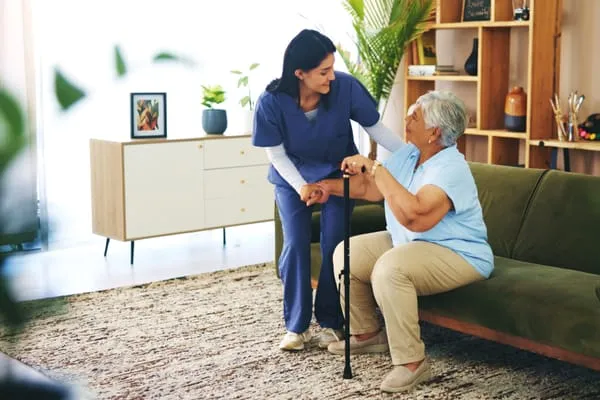
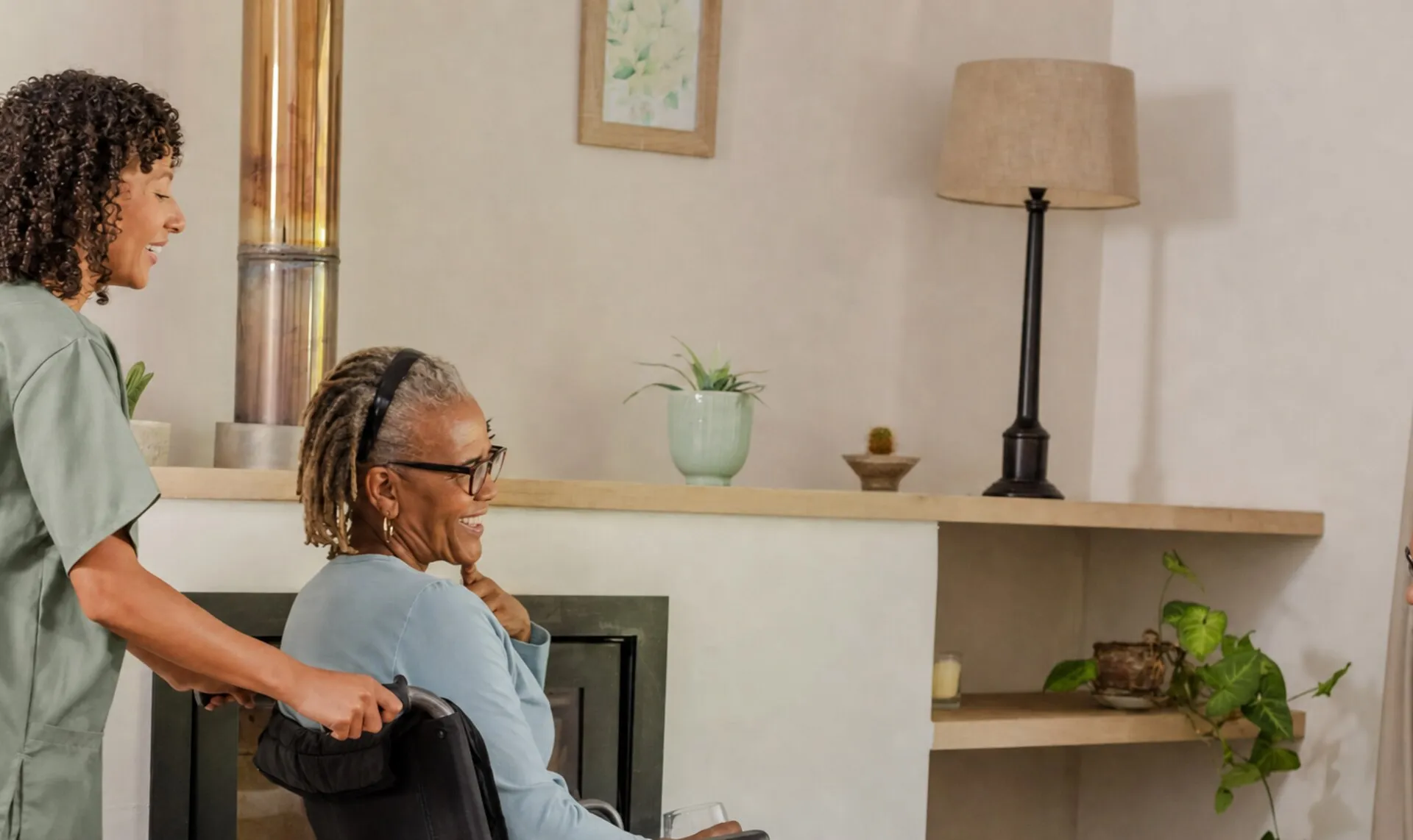
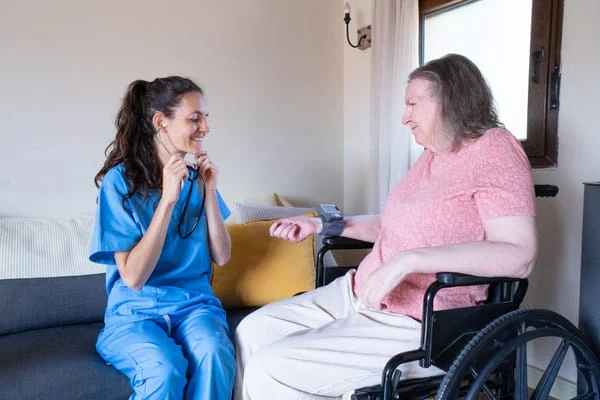
DVA funds a range of in-home services that aim to help veterans who qualify and their families stay safe, independent and comfortable at home. Depending on your card and your assessed needs, this can include:
- Personal care, such as help with bathing, dressing, grooming and daily hygiene.
- Domestic assistance, such as cleaning, laundry and meal preparation.
- Home and garden maintenance, covering safety-related upkeep around the property.
- Respite care, giving family carers short-term relief so they can rest.
- Community nursing, including wound care and medication support delivered at home by registered health practitioners.
The aim of each of these services is the same: to help you keep living in the home you know, doing the things that matter to you, for as long as you are able.
Who can access DVA home care?
Access depends mainly on the card you hold and an assessment of your care needs. Generally:
- Gold Card holders can access services for all conditions.
- White Card holders can access services for specific accepted conditions.
- War widows, widowers and some dependants may also be able to access support.
If you are not sure which category you fall into, that is completely normal. It is exactly the kind of thing a quick call to DVA, or a chat with a carer who knows the system, can clarify in minutes.
You do not have to work through the paperwork alone. A DVA-approved assessor confirms your entitlements, and the right support can walk you through each step.
The Veterans' Home Care (VHC) program
Much of DVA's everyday home support is arranged through the Veterans' Home Care (VHC) program. It is designed for lower-intensity, ongoing help, the kind that keeps small problems from becoming bigger ones. A VHC assessment agency will talk through your situation and arrange a suitable mix of services.
For higher or more complex needs, other programs and community nursing services may apply. Again, an assessor helps match you to a suitable level of support.
How to get started
The first step is usually a simple conversation. Here is the typical path:
- Confirm your card type and your access with DVA.
- Arrange an assessment to work out which services suit your needs.
- Choose a provider to deliver and coordinate your care.
- Begin receiving support, with the funding handled behind the scenes.
A quick note from us: Comfort Care at Home is a privately funded in-home care service in Cranbourne and South-East Melbourne, and we are not currently a registered DVA provider. We have written this guide simply to help veterans and their families understand the support that may be available through the Department of Veterans' Affairs. If you would like a hand understanding your options, you are welcome to get in touch for a relaxed, no-obligation chat.
Veterans have given a great deal for this country. Accessing the support you are able to receive should feel straightforward, and with the right help beside you, it can be.